
PROTECT-CHILD Pediatric Transplant Data Implementation Guide
0.1.0-ci-build -
PROTECT-CHILD Pediatric Transplant Data Implementation Guide
0.1.0-ci-build - ci-build
PROTECT-CHILD Pediatric Transplant Data Implementation Guide
0.1.0-ci-build - ci-build
PROTECT-CHILD Pediatric Transplant Data Implementation Guide, published by Protect Child. This guide is not an authorized publication; it is the continuous build for version 0.1.0-ci-build built by the FHIR (HL7® FHIR® Standard) CI Build. This version is based on the current content of https://github.com/hl7-eu/protect-child/ and changes regularly. See the Directory of published versions
The PROTECT-CHILD follow-up schedule spans 24 months after transplant. This page shows the visit schedule and which data is captured at each stage. Every follow-up record links to its Visit, and each Visit links to the Patient — so the timeline is the backbone that ties the whole data model together.
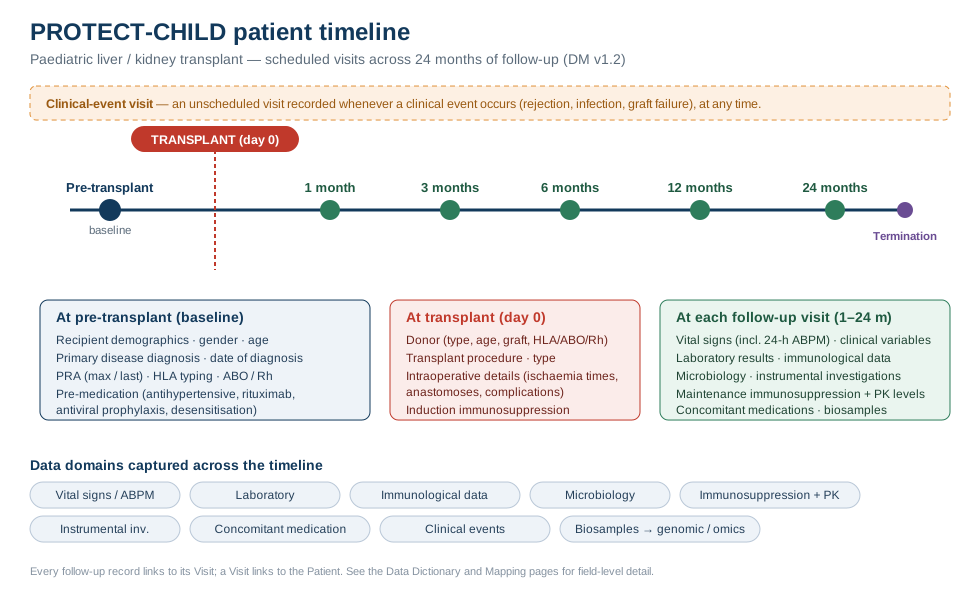
Vital signs / ABPM · laboratory · immunological data · microbiology · immunosuppression + PK · instrumental investigations · concomitant medication · clinical events · biosamples (→ genomic / epigenomic analysis).
For the full field list see the Data Dictionary; for how each field maps to FHIR see the Mapping pages.