
xShare Project CarePlan
0.1.0 - qa-preview
150
xShare Project CarePlan
0.1.0 - qa-preview
150
xShare Project CarePlan, published by xShare Project. This guide is not an authorized publication; it is the continuous build for version 0.1.0 built by the FHIR (HL7® FHIR® Standard) CI Build. This version is based on the current content of https://github.com/hl7-eu/xshare-careplan/ and changes regularly. See the Directory of published versions
The data domain describes the Care Plan data model and the FHIR content specifications used to exchange it.
This page provides an overview of how the key conceptual elements shown in Figure 1 are represented in the Care Plan logical model.
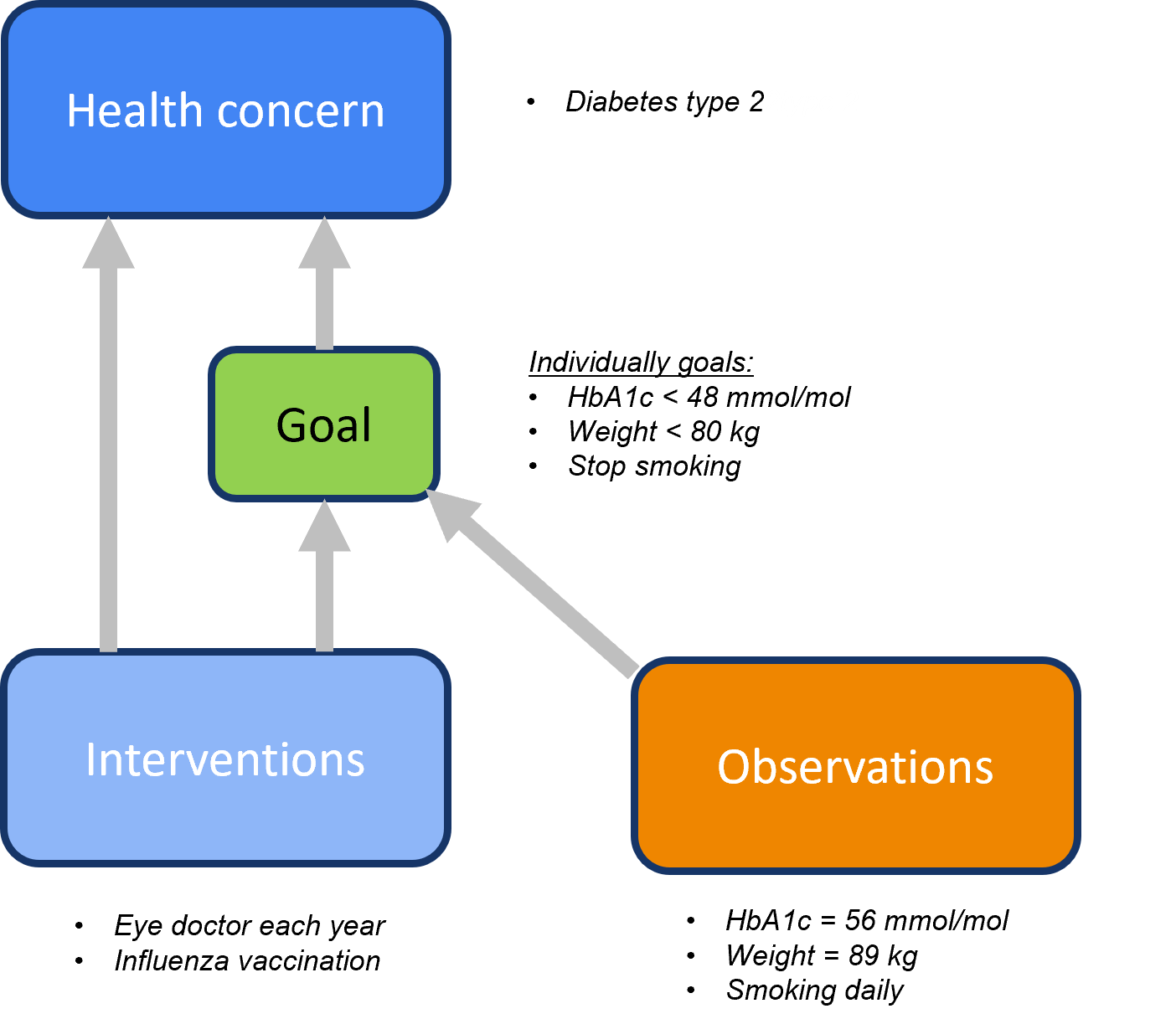
Figure 2 shows how patient information from the conceptual view is represented in the logical model. The patient is carried through the inherited header subject element, identifying the person whose intended care is described by the plan.
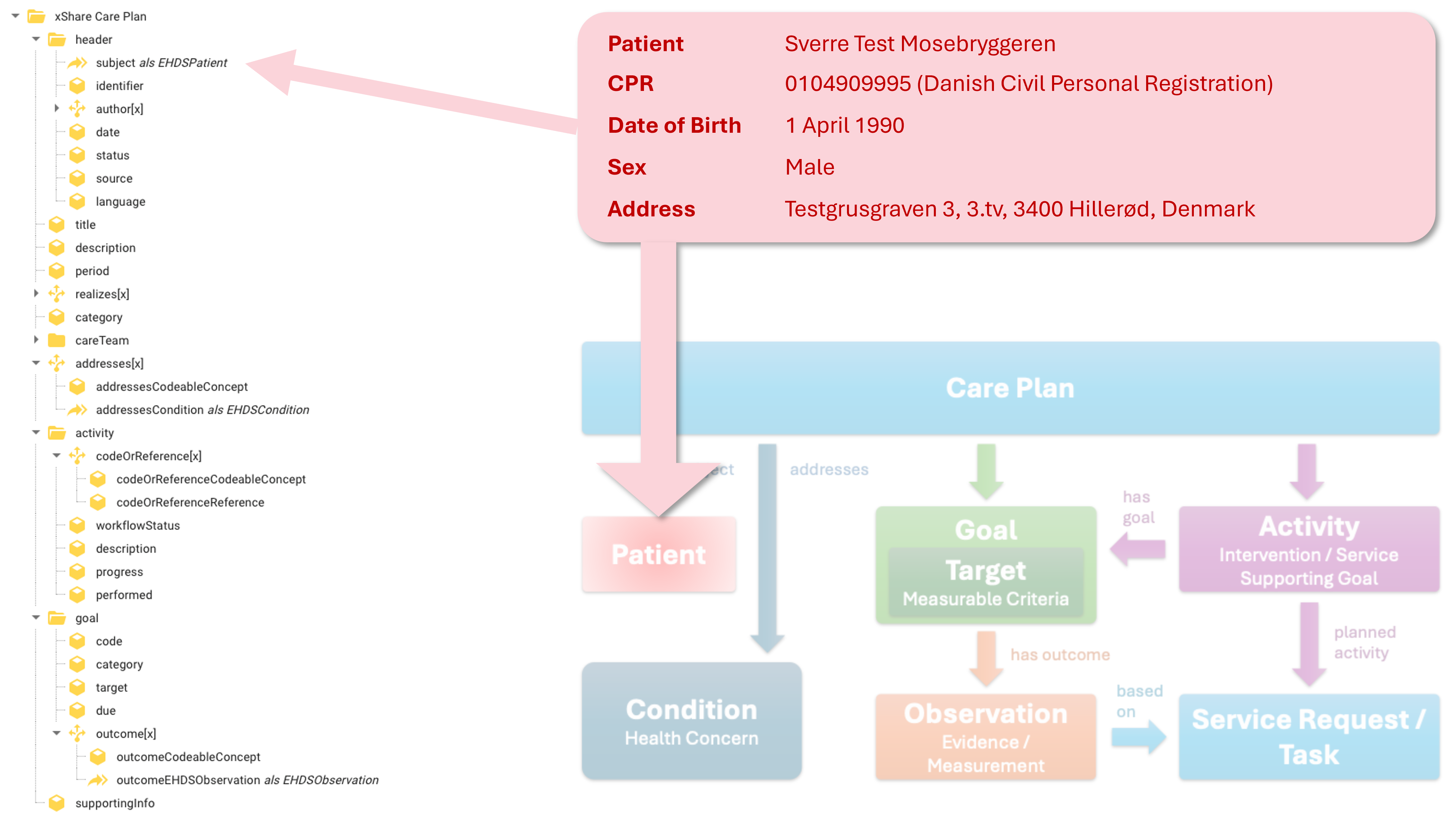
Figure 3 focuses on the condition or health concern addressed by the care plan. In the logical model, this clinical context is represented by the addresses[x] element, which can identify the problems, concerns, diagnoses, or conditions managed by the plan.
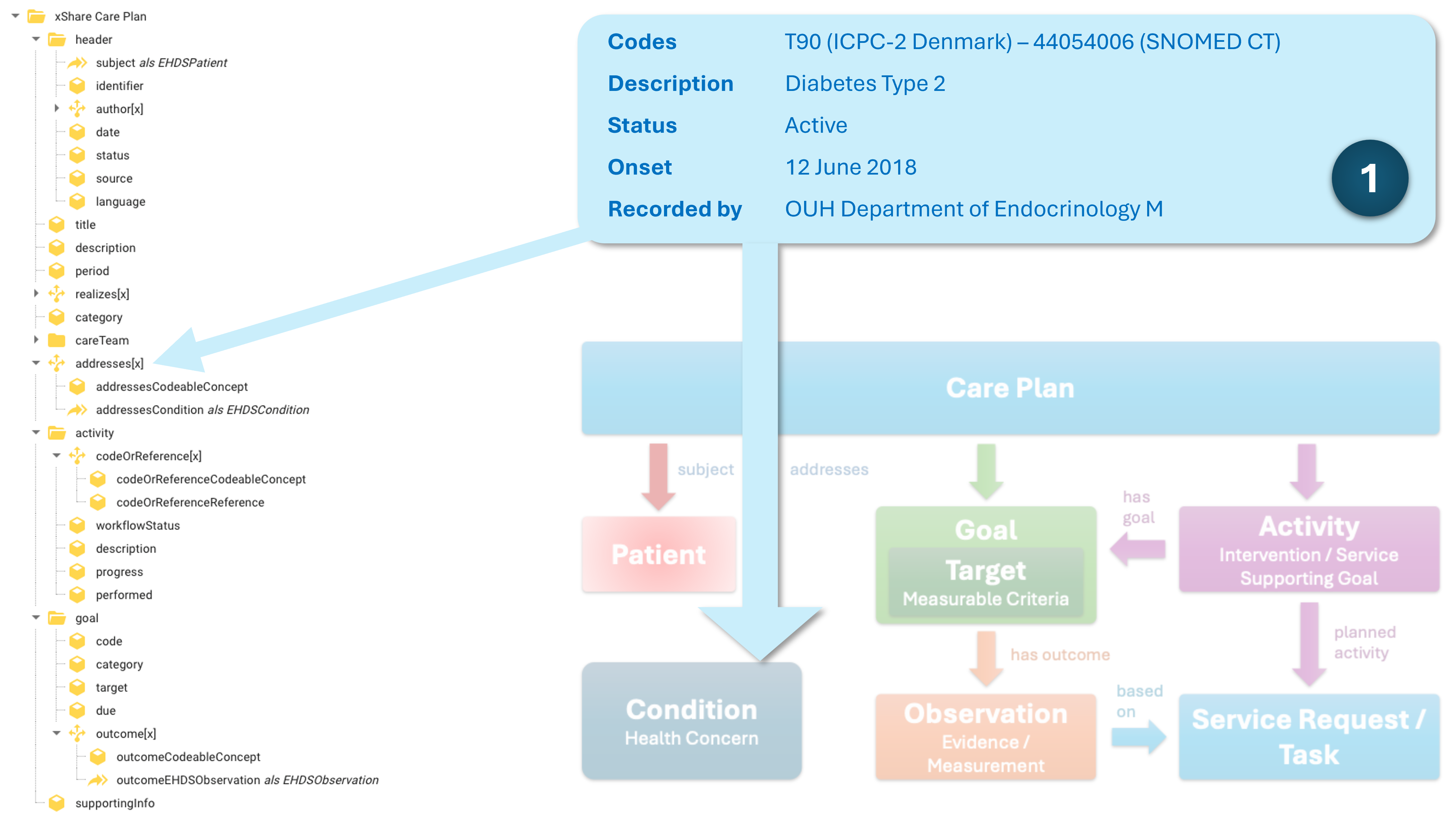
Figure 4 shows how goals are refined in the logical model. A conceptual goal is represented with a description, category, target, due date, and outcome information so that treatment goals and patient-expressed goals can be described consistently.
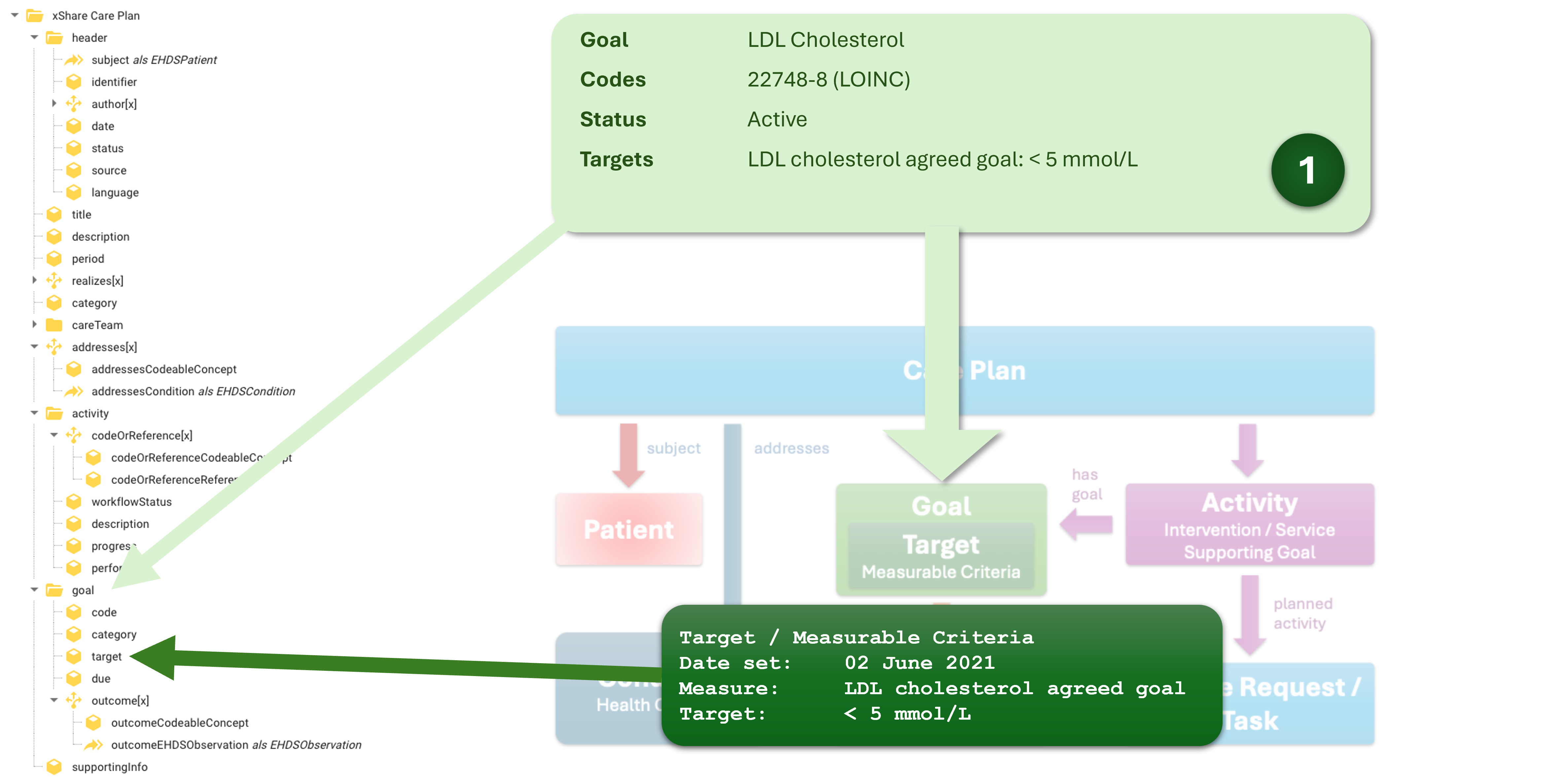
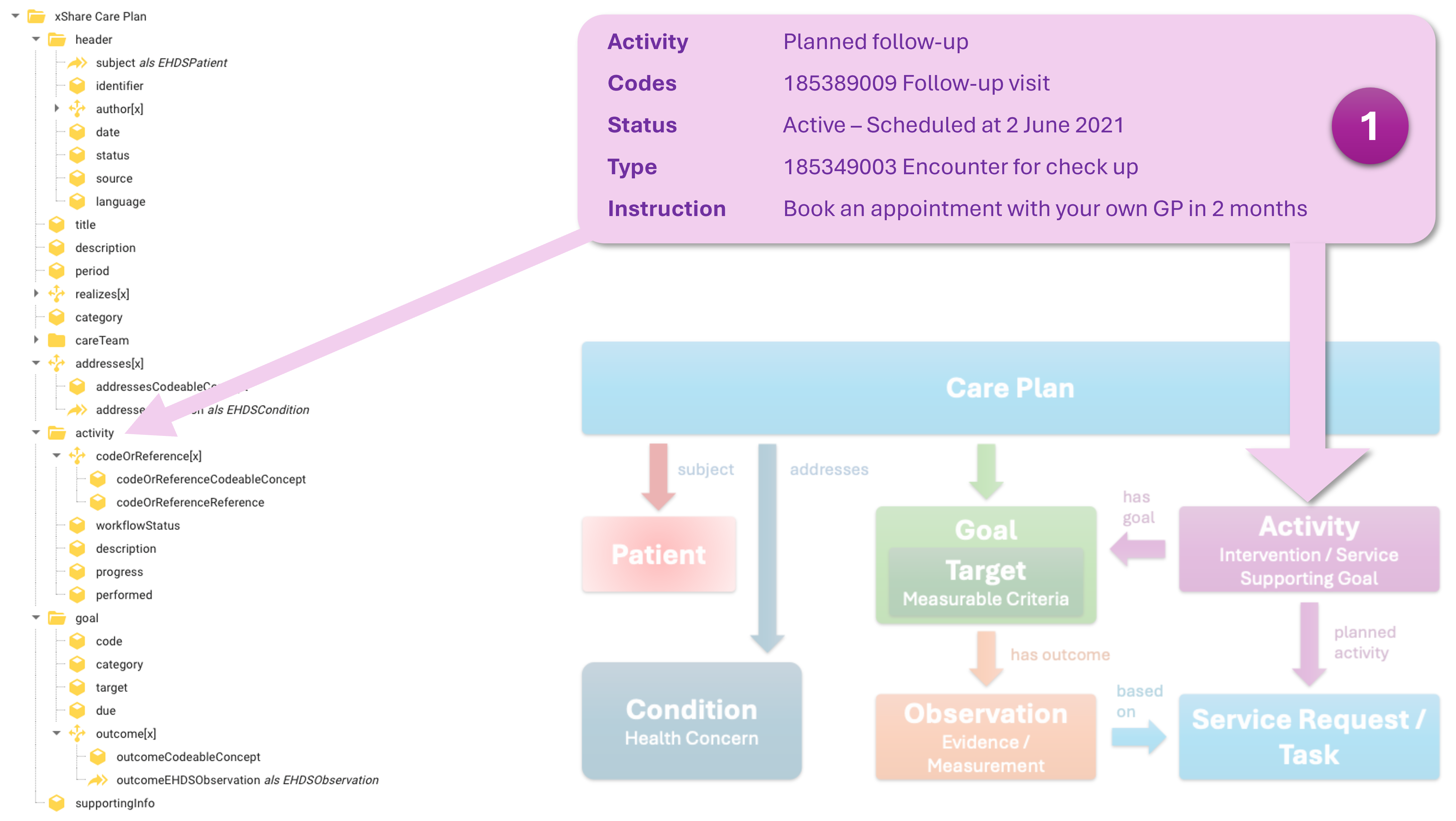
Figure 5 describes how planned or performed activities are represented. The logical model separates the activity grouping from the coded or referenced activity details, workflow status, human-readable description, progress notes, and references to performed activity evidence.
IG © 2025+ xShare Project. Package hl7.eu.fhir.xshare-careplan#0.1.0 based on FHIR 4.0.1. Generated 2026-06-08
